|
SOLIDMAGIC · BEACON |
||||
|
||||
|
BEACON #20 Chops{briefanrede}, In bass playing (and in music), “chops” means the ability to play many notes very fast and very cleanly. Slap bass, tapping, the solo passage—it all sounds like the big performance in the practice room. In magic, it’s comparable: the tough moves, the difficult flourishes, exotic palms, even more exotic vanish techniques—everything you spend hours on in the practice room and in front of the mirror until it finally works. And it feels so good when it finally does. Of course, it’s also tempting to show off the hard work and mastery of these difficult things to the audience. For years, I’ve heard session musicians talk, and with Leland Sklar, it becomes clearest to me what it’s really about: the bass must serve the song. Not as a solo instrument, not as a stage for finger dexterity. The bass, together with the drums, carries the song. It lays the foundation on which melody, vocals, and everything else in the band stand. If the foundation is louder than the song, you stop looking up and stare at the bassist, wondering why he’s putting on a show. A saying goes: “A mediocre band can be saved by a good bassist and a good drummer. The reverse isn’t true.” The same applies in magic when it comes to technique and effect. Good, invisible technique is the foundation for a routine that fools the audience. Creating the illusion is the ultimate goal. Leland Sklar has massive chops. He’s legendary, not least because he’s played on over 2,200 studio recordings. Still, you don’t book him to pull off a slap solo in the chorus. You book him because he listens, because he holds the song together, because he holds back when restraint is needed, and because in that one line, he finds the note that carries everything. Plain and simple: he has chops, but he doesn’t show them off in the song. In magic, technique is the foundation of deception. It’s crucial for making the miracle happen in the first place. But it must remain hidden and, above all, invisible—like the clockwork beneath the face of a watch. As soon as the mechanics become visible, the wonder ends. All that’s left is craft, and craft on stage is something different from magic. Technique used for self-display weakens the mystery. Not because technique is bad, but because displayed technique answers the wrong question. The audience should ask: “How is that possible?” Not: “How fast are your fingers?” Of course, you want and need to master certain things. For example, palms that work under all performance conditions. A vanish that looks like a real transfer. A flourish that doesn’t scream “practice room” but happens “incidentally” and blends seamlessly into the action without disrupting it. That’s right and necessary because chops give you control and precision, and with them, confidence and composure in performance. They’re your backup for when something goes wrong, and they give you the quiet assurance that you won’t have to think in a crucial moment. The difference lies in how you use them: deliberately and sparingly, in service of the effect, not as an extraction for applause. Imagine a ballad. You insert a short bass solo in the middle just because you can. The song and the mood are suddenly gone. In magic, I know this in a smaller form: someone throws in a flourish midway, so everyone watches the hands. Or a move is shown that’s impressive but unnecessary for the effect. In the end, people might applaud your skill. But wonder is something different. Often, spectators don’t consciously notice what’s happening technically. They just sense that something isn’t right. Chops alone aren’t enough. That’s the other side of the same coin. You can have the fastest fingers and still lose if timing, misdirection, and audience management aren’t on point. Misdirection directs attention where you want it. Timing gives the moment weight. Interaction with the audience determines how an effect lands—or whether it just plays out. Without all of that, it remains a technical exercise that happens to take place in front of an audience. I’ve seen magicians whose hands I admire, and I’ve seen performances that captivated me even though the hands didn’t seem spectacular. The difference was almost always the same: in one, every movement served the miracle. In the other, the miracle served the movement. So go ahead and practice the difficult stuff and develop your chops. Be glad when they work. But when you’re in front of people performing, ask yourself Sklars’ question instead: “Does this serve the song?” In magic, that means: Does this serve the miracle, or am I serving myself right now? If you’re unsure, choose the more restrained option. It’s rarely more boring. Most of the time, no one knows how much work went into it in the end, and that’s the point: the effort or difficulty in the technique must not be visible if you want to create wonder in the eyes of your audience. *** Bill in Marker
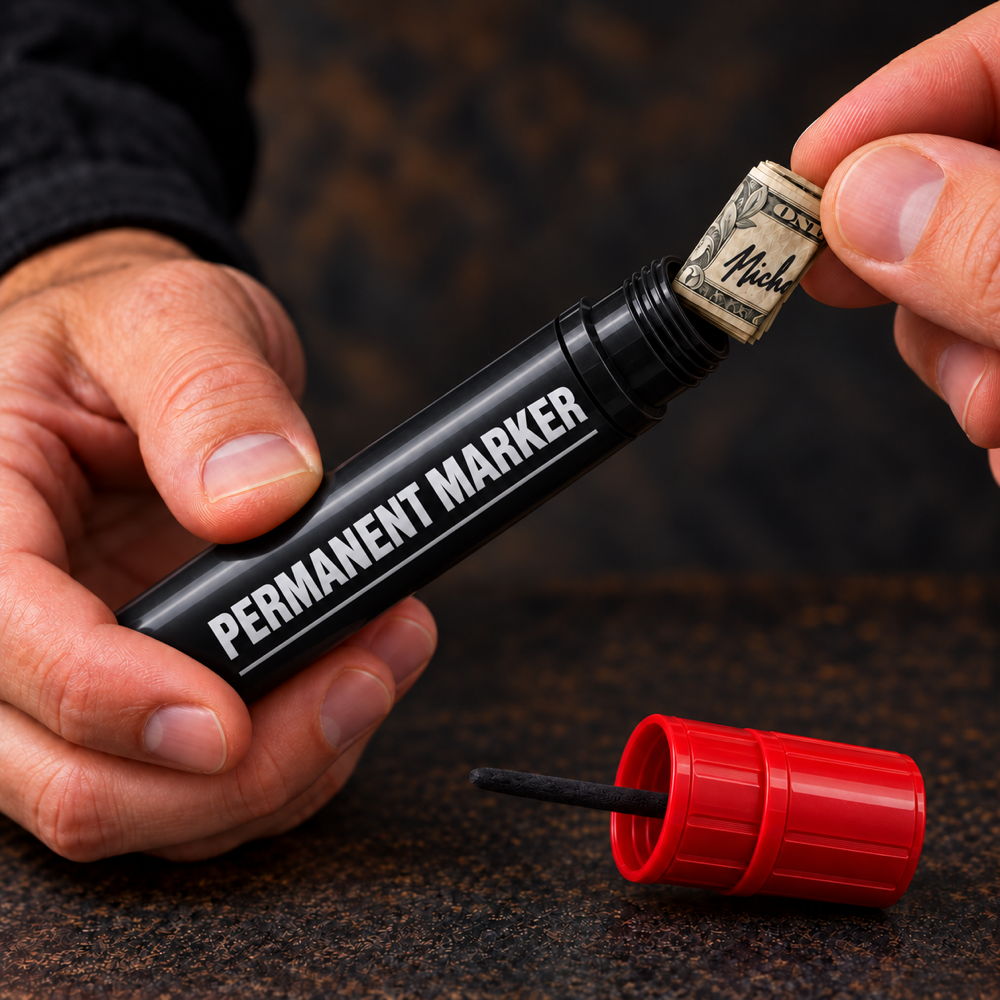
I created this effect back in 1994, and it remains one of my favorite close-up magic tricks to this day: a borrowed, signed bill disappears and reappears folded inside a thick felt-tip marker. Back then, I released the trick in limited quantities. It sold out almost instantly. Since then, it has become one of the most sought-after effects, and fellow magicians have repeatedly asked me when it would be available again. In the meantime, Edding restructured their product line. The perfect pens for the trick were discontinued—and with that, I could no longer produce the trick. Now, new pens and, most importantly, an improved thumb tip from Vernet have made “Bill in Marker” possible again! I took the opportunity to incorporate several key improvements and streamline the routine. The handling is now even easier, and the effect even more convincing. Here’s what your audience experiences: A spectator lends you a banknote and signs it. You fold the note—and make it vanish. A marker lies on the table. It’s been there the whole time. You unscrew it and let the spectator look inside: tucked inside is a small, folded banknote. Using a pair of tweezers, you pull it out and hand it to the spectator. You never touch the note with your fingers even once. The spectator unfolds it themselves and confirms: It’s their original note—with their signature! Designed for real-world performance
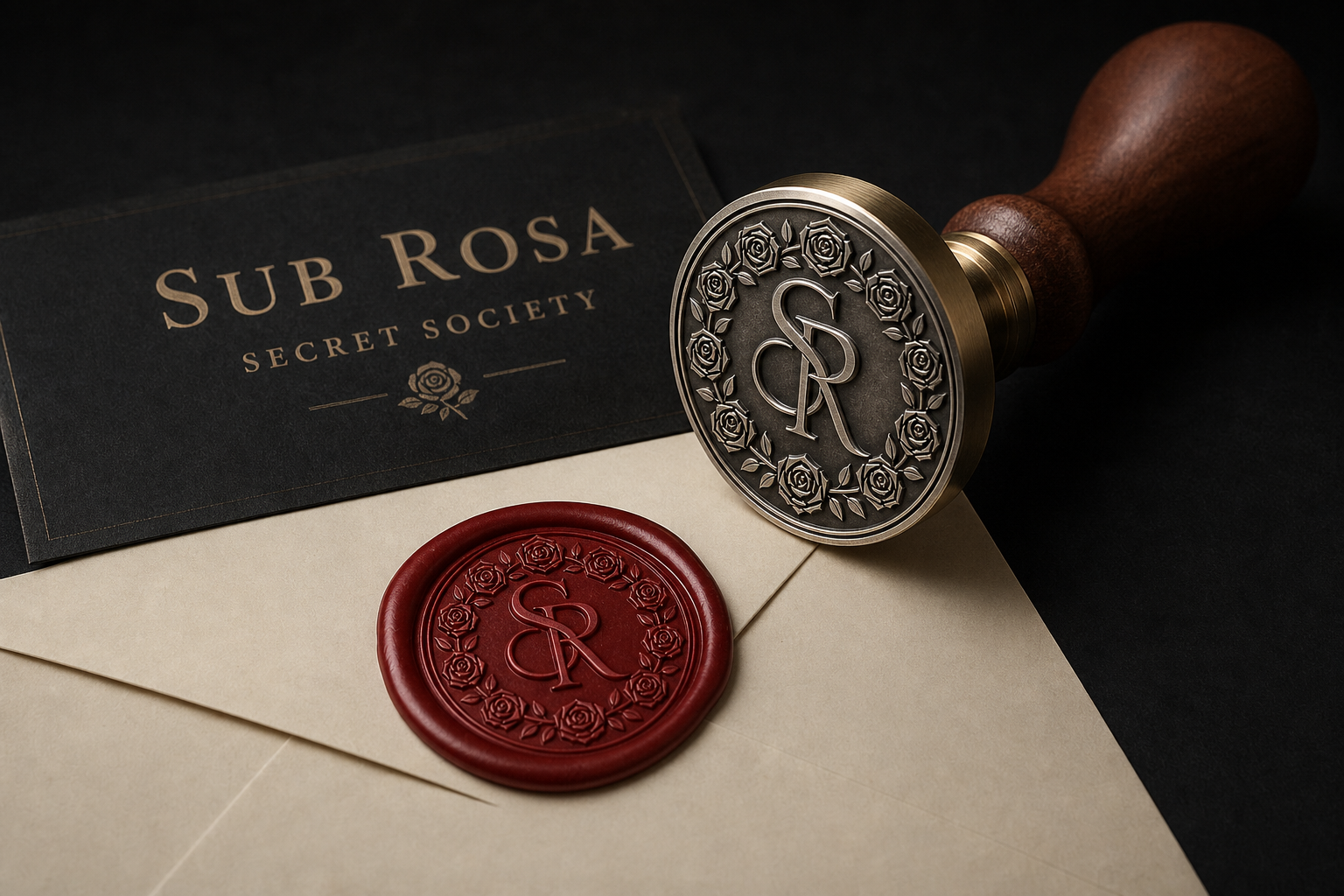
I work with one of the simplest and most reliable tools of our craft: a thumb tip. However, it’s a very special version tailored to this effect, along with a carefully considered handling technique. You receive everything you need for the performance: the special marker, the thumb tip, a pair of tweezers, and a transparent cloth to make the disappearance happen. Additionally, you’ll get a link to a video where I explain the handling—including all the finer details—precisely. Limited edition! ATTENTION: Unfortunately, I can only ship within Germany and not to the EU due to the new packaging regulations. However, magicians in Austria can purchase the pen at my seminars there. You can order this effect here. SUB ROSA Project Still Open for RegistrationsMy SUB ROSA project is still accepting registrations—we haven’t started yet. As I’ve mentioned, I’m in no rush and only want truly interested magicians to join. You can find more information here: http://vault.solidmagic.org/.
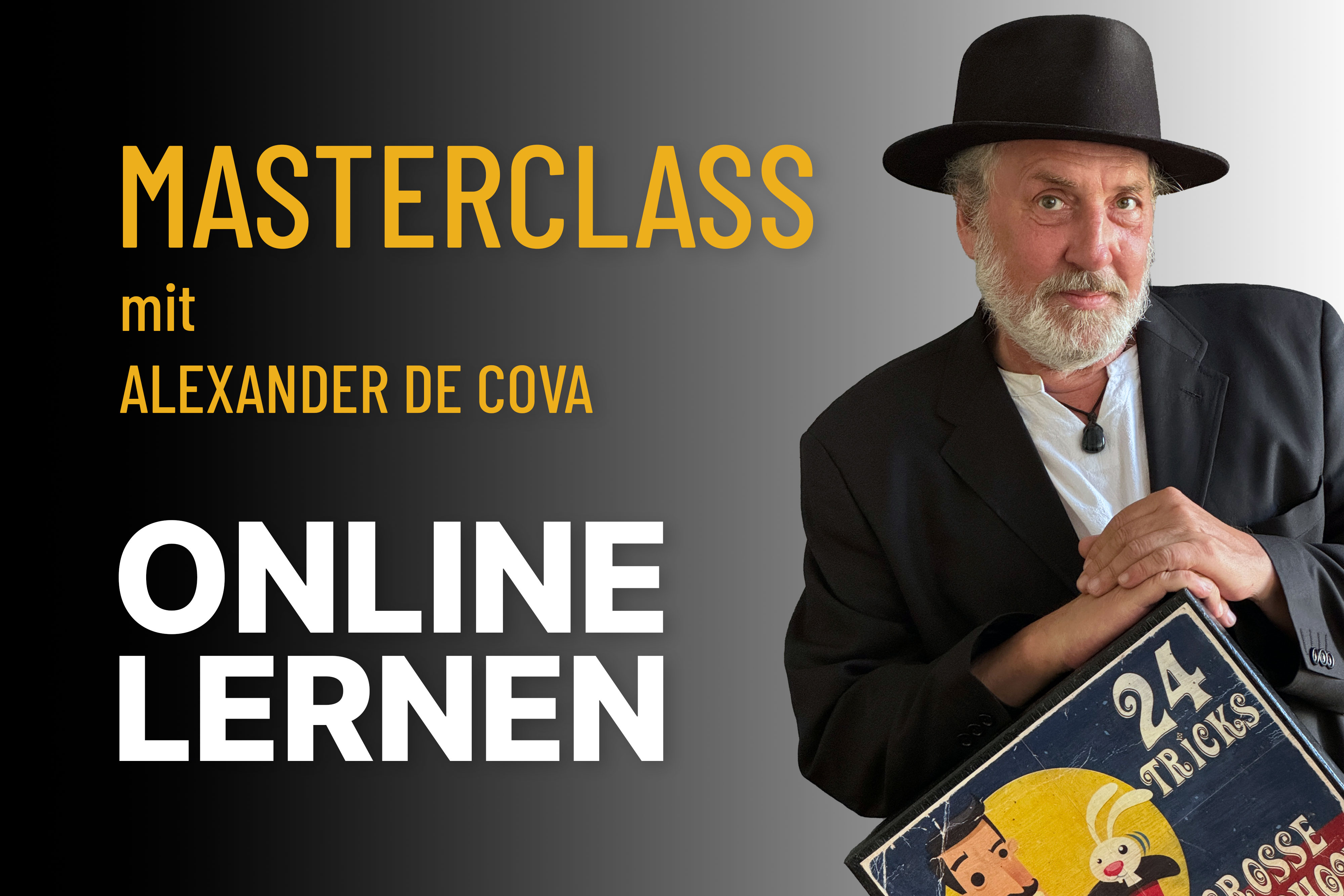
MASTERCLASSES with Alexander de CovaWord is slowly getting around about how valuable my masterclasses are. They’re an excellent way to deliver a concentrated dose of knowledge in a short time online. You can find all the upcoming dates on the website: https://solidmagic.org/de/academy.
Until next time,
Visit the new → SOLIDMAGIC website |
||||
|
||||